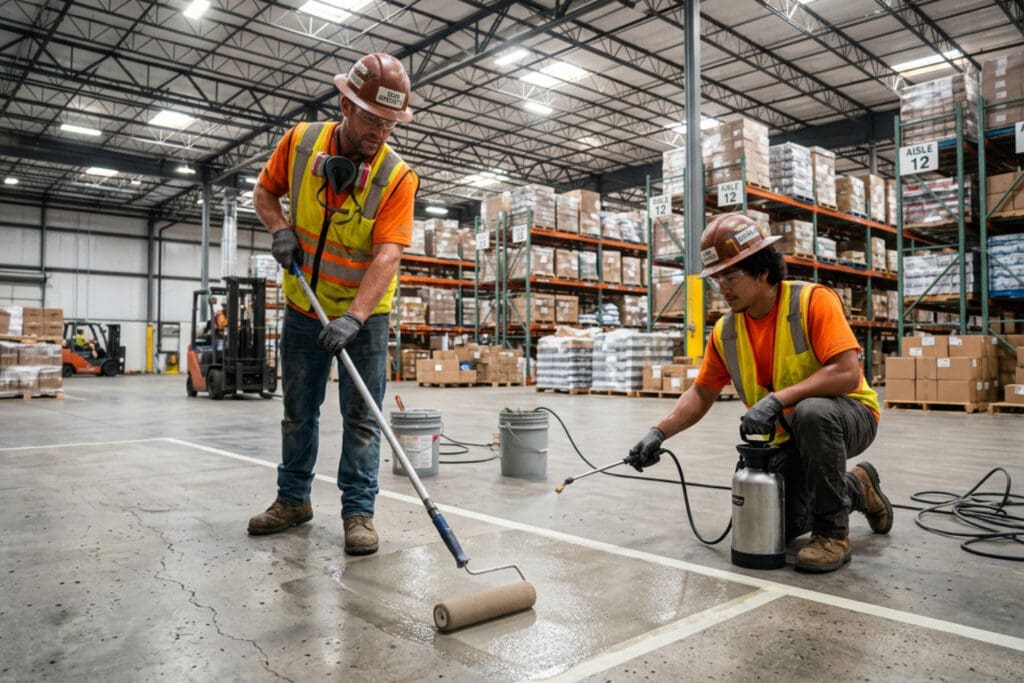
Eliminate Liability and Protect Personnel with High-Traction Surfaces
Anti-slip floor treatments are specialized coatings, sealers, and chemical solutions applied to commercial flooring surfaces to increase traction and prevent slip-and-fall accidents. Here is a quick overview of the main types available for commercial facilities:
| Treatment Type | Best For | Key Benefit |
|---|---|---|
| Penetrating chemical treatments | Porcelain, ceramic, natural stone | Invisible grip, no aesthetic change |
| Epoxy coatings with silica aggregate | Concrete, industrial floors | Heavy-duty, customizable grit levels |
| Hardwax-oil with anti-slip additives | Wood, stairs, stages | Natural finish, breathable protection |
| Acrylic sealers | Outdoor tile, pool decks | UV and chemical resistance |
| Two-component abrasive coatings | Epoxy, polished concrete, tubs | Long-lasting, wet and dry traction |
Slip-and-fall accidents rank among the most common workers’ compensation claims filed across virtually every commercial industry. That single fact carries serious financial and legal weight for any facility manager. Floors that look perfectly safe when dry can become a significant liability the moment moisture, grease, or dust enters the equation. The right treatment does not just reduce injuries – it protects the organization and reinforces its operational standards.
My name is Dave Spinks, and after nearly three decades managing high-traffic commercial facilities in Indianapolis, I have seen how the right anti-slip floor treatments can mean the difference between a compliant facility and a costly incident. In this guide, I will walk you through everything you need to know to make an informed decision for your specific environment.
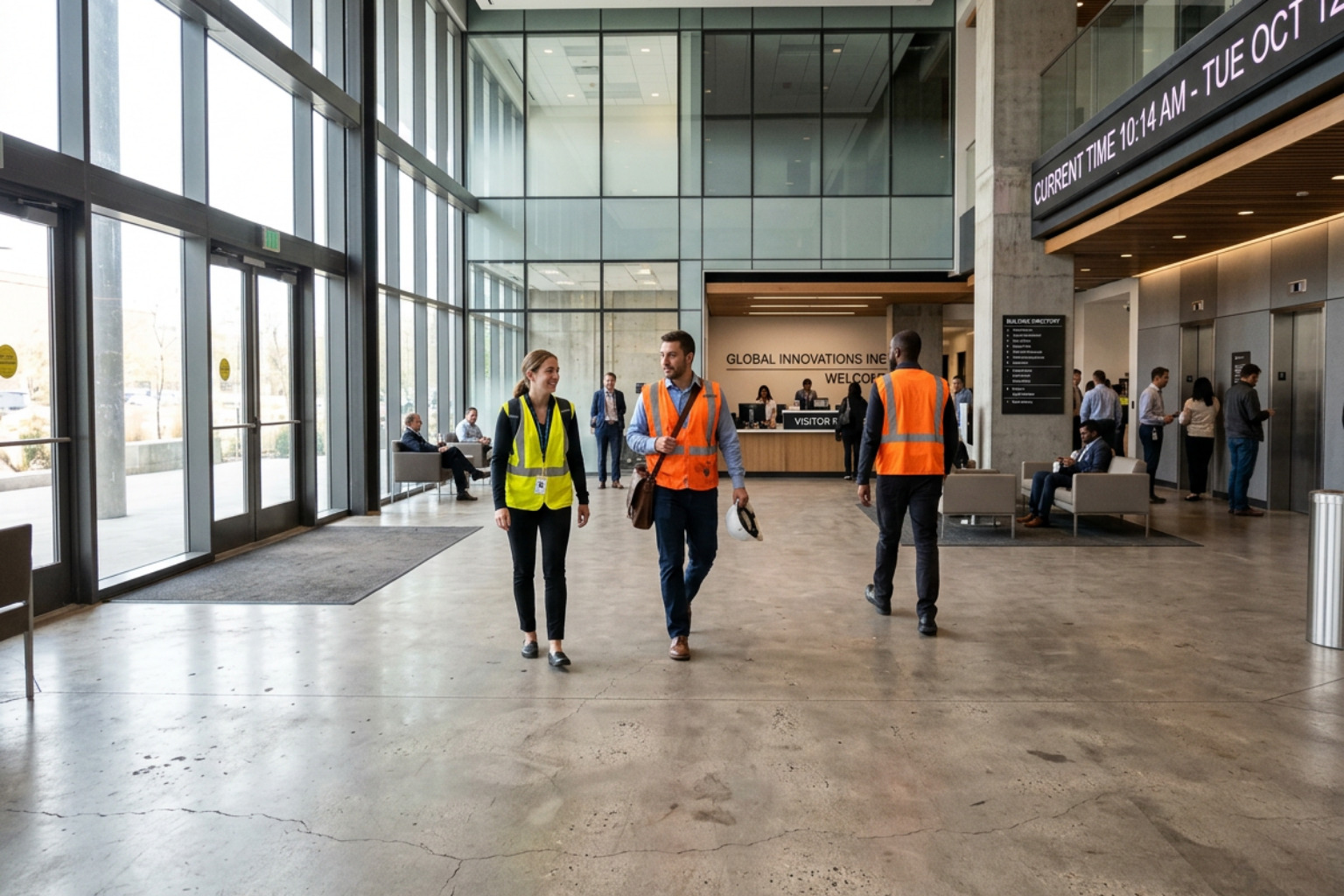
Maintaining a safe environment is a core operational requirement for any commercial facility. Slip-and-fall accidents remain one of the leading causes of workers-compensation claims across nearly every industry. By prioritizing high-traction surfaces, facility managers protect their most valuable assets while shielding the organization from legal and financial risks.
A proactive approach to floor safety does more than just prevent injuries. It reinforces a brand’s professional image and demonstrates a commitment to the well-being of employees and visitors. High-performance coatings ensure that safety does not come at the expense of aesthetics, allowing for a clean and polished look that remains functional under pressure.
When we look at the statistics, the necessity for these treatments becomes clear. Beyond the immediate human cost of an injury, the legal fallout from a single incident can disrupt operations for months. Utilizing professional-grade anti-slip floor treatments is an investment in business continuity. It ensures that your facility in Carmel or Fishers remains a productive space where safety is a foundational element of the daily workflow.
Identify the Primary Drivers of Floor Slipperiness to Prevent Workplace Injuries
Slipperiness is rarely the result of a single factor. It is typically a combination of the floor’s inherent surface texture and the presence of external contaminants. In industrial and commercial settings, substances like water, food particles, chemicals, and dust act as lubricants that break the bond between footwear and the floor.
Surface texture is the starting point. A perfectly smooth tile may look beautiful in a Zionsville office lobby, but it lacks the microscopic peaks and valleys needed to create friction. When you add contaminants like grease or even simple moisture from a rainy afternoon, that smooth surface becomes a skating rink. According to Health and Safety Executive guidelines, controlling these primary causes is the most effective way to manage risk.
Understanding these drivers allows for the selection of a treatment that addresses the specific hazards of a workspace. For instance, a commercial kitchen requires a different friction profile than a hospital corridor. Controlling these primary factors through specialized treatments is the most effective way to minimize risk and maintain OSHA compliance.
Select Specialized Anti slip floor treatments for Diverse Commercial Substrates
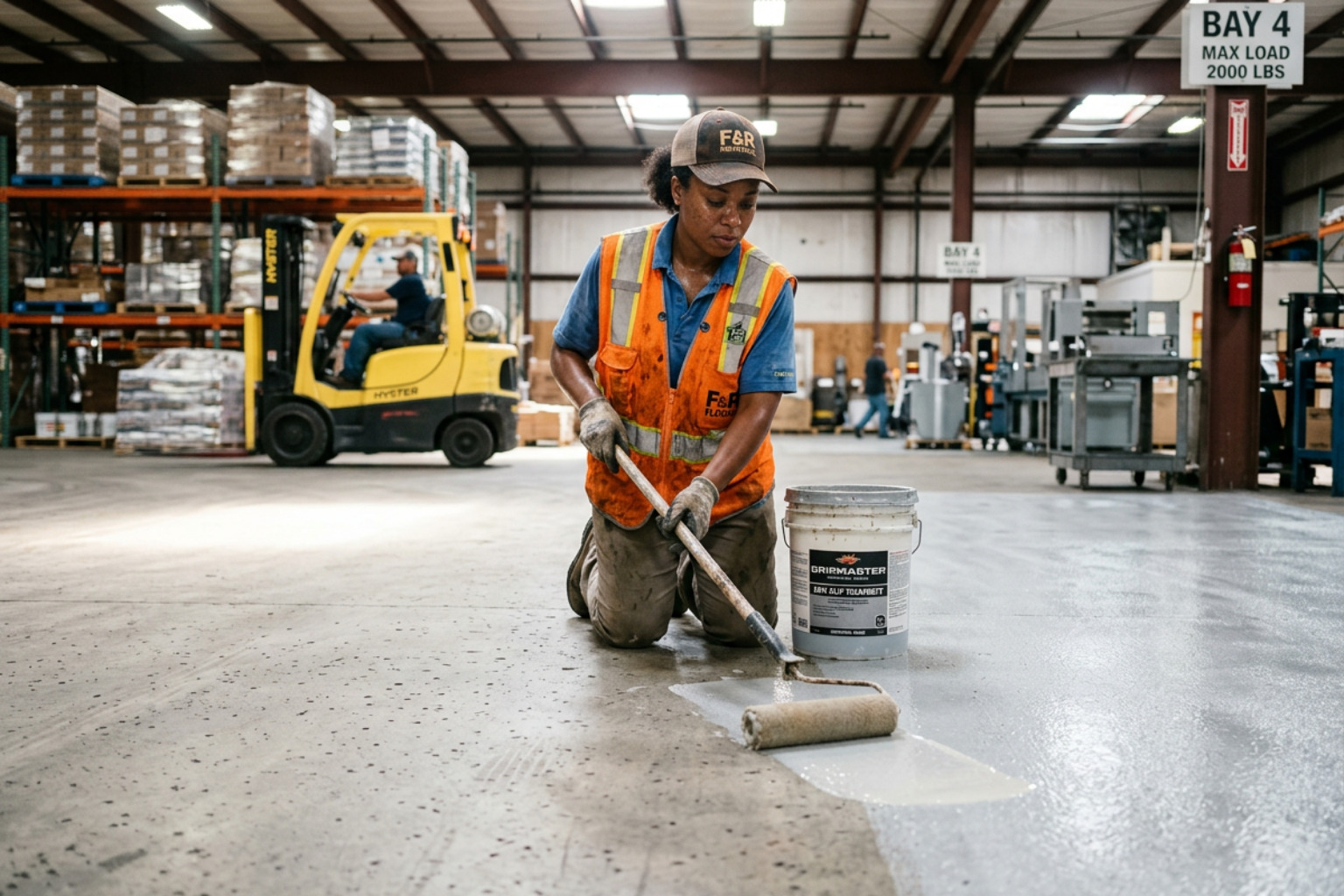
Every substrate requires a unique chemical or mechanical bond to achieve lasting slip resistance. Using a generic solution often leads to premature peeling or ineffective traction. Professional-grade treatments are formulated to work with the specific porosity and density of materials like porcelain, natural stone, or industrial concrete.
For example, porcelain tile is notoriously dense. Standard coatings often fail to “bite” into the surface, leading to a film that flakes off under foot traffic. Specialized products like Porcelain Anti-Slip Floor Treatment #80378 include inhibitors to ensure the treatment applies evenly across these stubborn surfaces. You can find more details on how these specific formulations behave in the Technical Data Sheet.
Deploy Invisible Micro-Tread Anti slip floor treatments for Polished Stone
Polished surfaces like marble and granite present a unique challenge because their aesthetic value comes from their smoothness. Specialized penetrating sealers, such as Stone Grip or Polish Grip, create microscopic treads that increase grip without altering the lustrous shine. These treatments are ideal for high-end retail spaces and corporate lobbies where first impressions and safety are equally weighted.
These “invisible” treatments work through a chemical process that creates a micro-tread pattern on the stone surface. This pattern is too small to see with the naked eye and does not trap dirt like a coarse grit would, but it provides immediate traction when the floor becomes wet. For facilities that prioritize a high-gloss look, combining these treatments with professional floor stripping and waxing ensures the surface remains protected and slip-resistant over the long term.
Utilize High-Build Epoxy Anti slip floor treatments for Industrial Environments
In heavy-duty environments like factories or warehouses, coatings must withstand both foot traffic and heavy machinery. High-build epoxy systems often incorporate graded silica sand to provide a rugged, textured finish. These systems offer superior durability and can be customized with fine, medium, or coarse grit levels depending on the specific spill risks of the facility.
Products like SparkleTuff or Resincoat Anti-Slip Floor Paint are specifically engineered for these high-stakes areas. A fine grit (roughly 0.25mm thickness) might be perfect for a dry warehouse aisle, while a coarse grit (up to 1mm thickness) is necessary for a food processing area in Noblesville where liquid spills are frequent. Maintaining these textured surfaces requires a specialized approach to commercial floor cleaning to ensure that dirt does not settle into the grit and reduce its effectiveness.
Verify Compliance with Global Safety Standards and Friction Testing Methods
Relying on a “feel test” is insufficient for commercial safety audits. Professional treatments must meet or exceed established standards such as those set by the National Floor Safety Institute (NFSI) and the American Society for Testing and Materials (ASTM). These certifications provide documented proof that a facility is meeting its duty of care.
| Standard | Focus Area | Requirement |
|---|---|---|
| SCOF (Static) | Initial movement | Exceeds ASTM/OSHA requirements |
| DCOF (Dynamic) | Movement while in motion | ANSI/NFSI B101.3 compliant |
| Pendulum Test | Wet/Dry slip resistance | Meets HSE/UK safety standards |
| NFSI Certification | High Traction | Certified for commercial safety |
Testing methods like the Dynamic Coefficient of Friction (DCOF) and pendulum testing offer a scientific measurement of how a floor performs in both wet and dry conditions. Ensuring your flooring system meets these metrics is essential for maintaining a safe environment and defending against potential litigation. For example, many of the top-tier anti-slip floor treatments we utilize are certified “High Traction” by the NFSI, exceeding the standard requirements set by OSHA and the ADA.
Ensure Long-Term Performance through Professional Application and Maintenance Protocols
The longevity of any anti-slip treatment is dictated by the quality of the initial application. Professional installation involves rigorous surface preparation, including deep cleaning and mechanical keying, to ensure the treatment adheres properly. Skipping these steps often results in a coating that flakes or wears unevenly within months.
Proper preparation often requires mechanical grinding or shot-blasting to create a “key” for the coating to bond to. Following the manufacturer’s application video is just the start; an experienced team knows how to adjust for ambient temperature and humidity, which can drastically affect curing times. In a medical facility or industrial plant, getting the cure time right is the difference between a successful weekend project and a Monday morning disaster.
Once applied, these surfaces require specific maintenance routines to keep the traction profiles clear of debris. Standard cleaning chemicals can sometimes leave a residue that fills in the micro-treads, neutralizing the anti-slip properties. We have found that understanding how floor waxing enhances safety is a critical part of this process. Utilizing a specialized maintenance plan ensures the floor remains compliant and effective for years.
Frequently Asked Questions about Floor Safety Coatings
How long do professional anti-slip coatings typically last in high-traffic areas
Most professional-grade treatments last for several years when supported by proper housekeeping. In high-traffic commercial environments, a periodic evaluation is recommended to determine if a refresh coat is necessary to maintain certified traction levels. Factors like the type of footwear used in the facility and the frequency of heavy equipment traffic will influence the lifespan of the treatment.
Which grit level is appropriate for commercial kitchens versus retail lobbies
Commercial kitchens and industrial zones typically require a medium to coarse grit to account for grease and heavy liquid spills. These aggressive profiles provide the necessary mechanical grip even when the floor is covered in viscous contaminants. Retail lobbies and office spaces generally utilize fine grit or invisible chemical treatments that provide safety without compromising the high-end aesthetic of the floor.
Can anti-slip treatments be applied to existing epoxy or polished concrete floors
Yes, specialized coatings like SparkleTuff are designed to bond with existing epoxy, polyaspartic, and polished concrete surfaces. This allows facilities to upgrade their safety profile without the need for a full floor replacement. The key is ensuring the existing surface is thoroughly de-greased and mechanically prepared to accept the new high-traction layer.
Transfer Your Facility Safety Burden to Office Keepers
Managing floor safety is a complex operational task that requires specialized expertise and consistent execution. Office Keepers has served the Indianapolis business community since 1978, providing high-stakes environments with the reliability they need. Our in-house, background-checked team ensures that your facility meets all safety and hygiene standards without the inconsistency of subcontractors.
Whether you are managing a medical center in Greenwood or an industrial plant in Noblesville, we understand that your floors are a critical part of your safety infrastructure. We do not believe in one-size-fits-all solutions. Our approach centers on personalized plans that prioritize the health of your workspace and the professional image of your brand.
By partnering with a family-owned firm that understands the local market, you can focus on your core business while we handle the complexities of facility maintenance. We invite you to request a quote or schedule a facility-specific evaluation to discuss how we can enhance your safety protocols and protect your professional image.