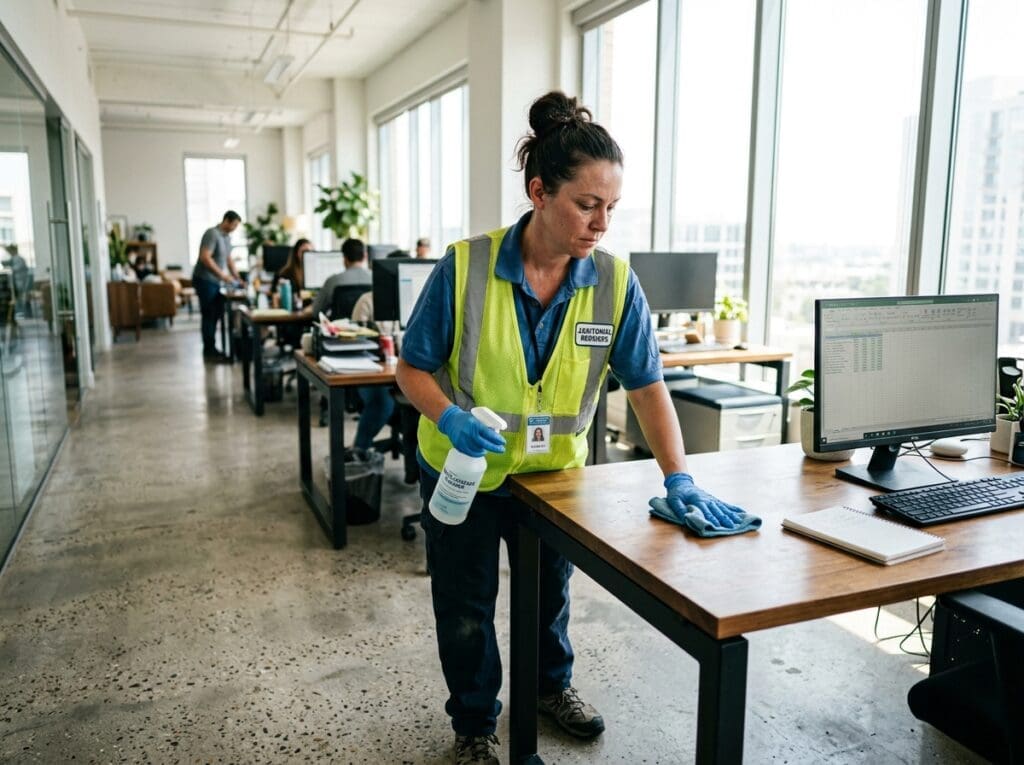
High-Stakes Hygiene Standards Protect Your Bottom Line and Employee Health
Cleaning the workplace is one of the most direct investments a facility manager or business owner can make in employee health, operational safety, and professional reputation.
Here is a quick breakdown of what effective workplace cleaning covers:
| Priority Area | Key Action | Frequency |
|---|---|---|
| High-touch surfaces (keyboards, door handles, phones) | Disinfect with EPA-registered products | Daily or multiple times daily |
| Restrooms and break areas | Full sanitation including fixtures and appliances | Daily |
| Floors and egress routes | Sweep, mop, and keep clear of obstructions | Daily |
| Air vents and high surfaces | Dust and inspect | Weekly |
| Carpets, upholstery, HVAC filters | Deep clean | Monthly |
| Post-illness or outbreak response | Full disinfection protocol | Immediately |
The stakes are higher than most people realize. Everyday office items like keyboards, phones, and desks can harbor up to three times more germs than a toilet seat. A cluttered or poorly sanitized facility is not just an aesthetic problem – it is a health liability, a safety risk, and in some environments, a compliance failure waiting to happen.
Facilities that build consistent daily habits alongside scheduled professional cleaning spend an average of 20% less on long-term cleaning and repairs. That is a measurable return on a straightforward operational decision.
I’m Dave Spinks, and after nearly three decades of building and operating Office Keepers in Indianapolis, I have seen how a structured, building-specific approach to cleaning the workplace separates high-performing facilities from those constantly playing catch-up. In the sections below, I will walk you through the systems, protocols, and standards that protect your people, your assets, and your reputation.
Cleaning the workplace further reading:
Eliminating Hidden Hazards Through Systematic Cleaning the Workplace Protocols
A clean facility is the engine of productivity and a beacon of health for your staff. However, we often see businesses treat cleaning the workplace as a surface-level chore rather than a strategic safety protocol. When hygiene standards slip, the risks extend far beyond a dusty desk. Poor housekeeping leads to increased sick days, higher insurance risks, and potential OSHA violations that can derail your operations.
We believe that true workplace hygiene requires a combination of professional consistency and clear internal standards. This is especially true in high-stakes environments like medical centers in Fishers or industrial plants in Noblesville. These facilities cannot afford the inconsistency that comes with subcontracted labor. By using an in-house team of background-checked employees, we ensure that every protocol is followed to the letter, protecting your facility from the hidden hazards of neglect.
For more information on how these systems integrate with your daily operations, you can explore our janitorial services page. We focus on evidence-based methods, following CDC guidelines for cleaning and disinfecting facilities to ensure pathogens are actually eliminated, not just moved around.
Preventing Workplace Injuries with Clear Egress and Floor Maintenance
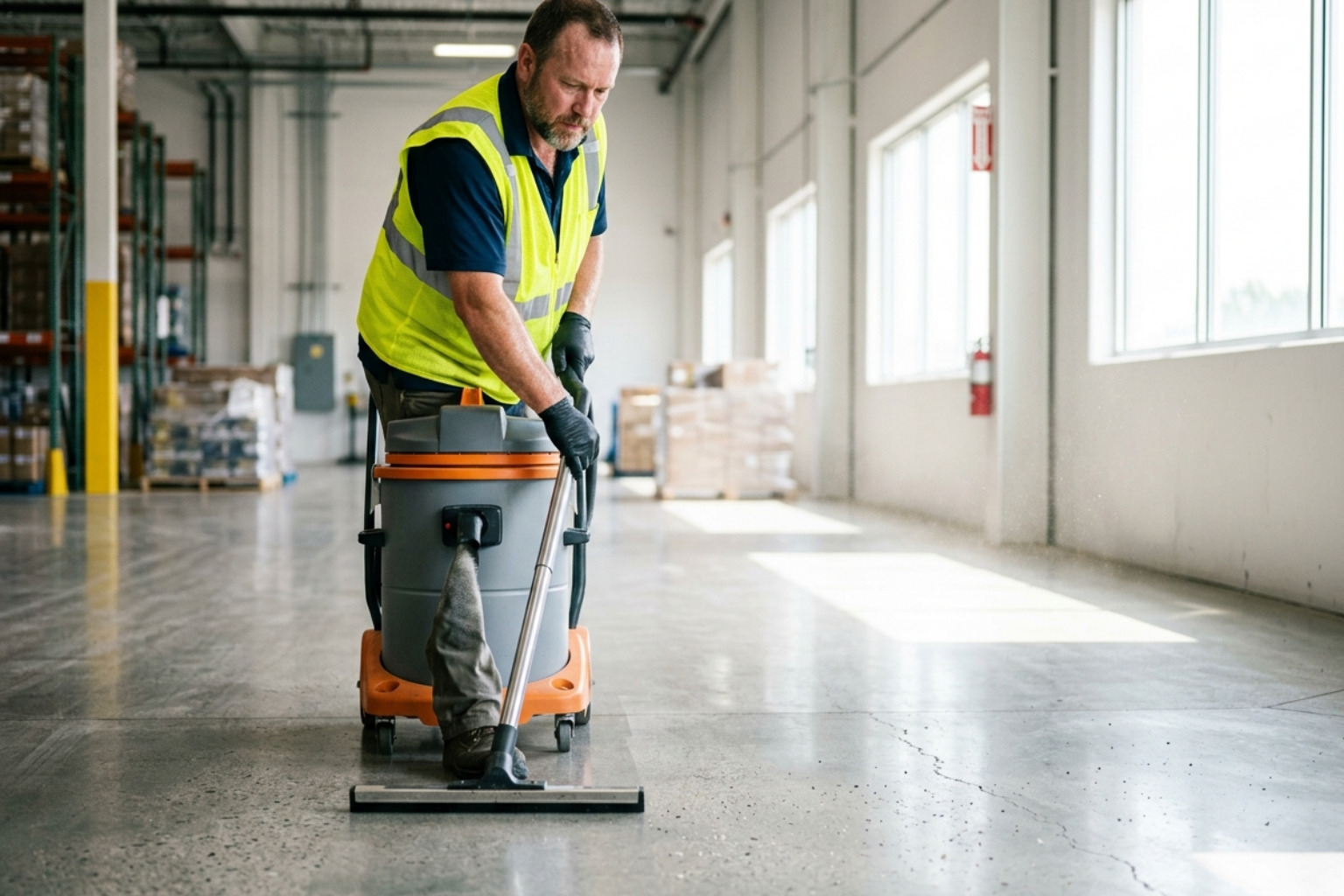
Safety underfoot is the first line of defense against workplace injuries. Slips, trips, and falls remain some of the most common causes of workers’ compensation claims in Indiana. A major part of cleaning the workplace involves maintaining walking surfaces that are free of debris, spills, and clutter.
According to safety regulations, exit routes must be at least 28 inches wide at all points. They must remain entirely free of storage and unobstructed at all times. In a busy warehouse or a crowded office in Carmel, it is easy for boxes or equipment to migrate into these paths. Our teams are trained to identify these hazards during routine cleaning. Beyond just clearing the path, professional floor care is essential. Regular maintenance prevents the buildup of wax or grime that makes surfaces slick. You can learn more about our approach to this on our commercial floor cleaning page.
Reducing Fire Risks by Managing Combustible Materials and Sprinkler Clearance
Poor housekeeping is a leading contributor to facility fires. The accumulation of combustible materials like paper, cardboard, and even fine industrial dust creates a “fuel load” that can turn a small spark into a catastrophe. Effective cleaning the workplace protocols must include the timely disposal of trash and the proper storage of hazardous chemicals.
One of the most overlooked safety standards involves fire suppression systems. Items stored within 18 inches of a sprinkler head can interfere with water flow, rendering the system ineffective during a fire. Whether we are servicing a manufacturing floor in Zionsville or a storage area in Westfield, we ensure that vertical storage remains compliant with these clearance rules. This level of detail is a hallmark of our industrial cleaning services, where compliance is non-negotiable.
Maximizing Operational Safety with Professional Restroom and Kitchen Sanitation

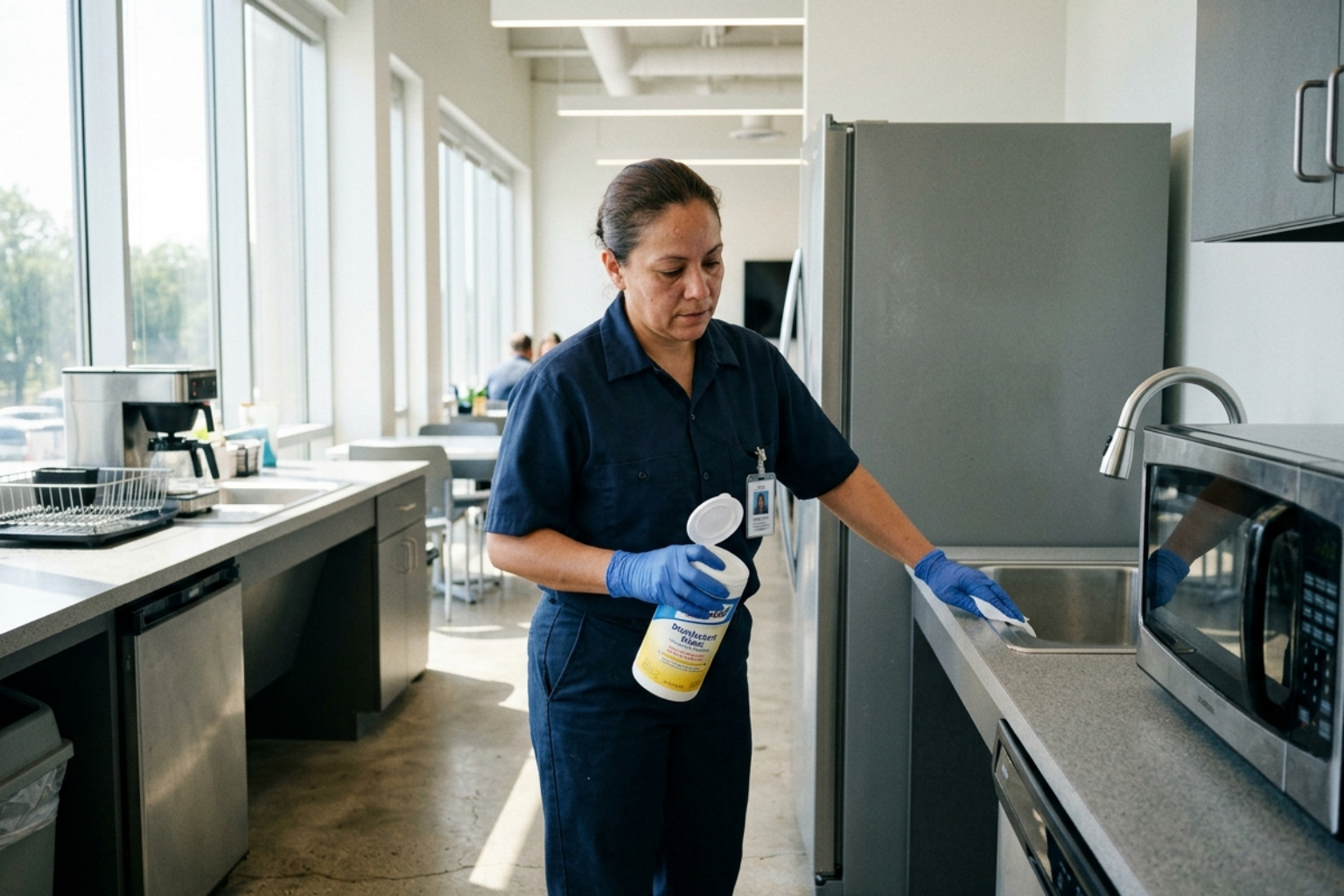
Restrooms and kitchens are the primary zones for cross-contamination in any commercial building. These areas require more than just a quick wipe-down; they need deep sanitation using EPA-registered disinfectants. A “clean-looking” kitchen can still harbor dangerous bacteria on sink faucets or refrigerator handles if the correct “dwell time” – the time a disinfectant must stay wet on a surface to kill germs – is not observed.
We prioritize these high-traffic zones because they directly impact employee well-being and the professional image of your brand. A client visiting your Indianapolis office will judge your entire operation based on the state of your restroom. Our sanitizing surfaces protocol ensures that every fixture is treated with the appropriate chemistry to eliminate pathogens without damaging the hardware.
Maintaining Sterile Restroom Environments to Prevent Pathogen Spread
Restrooms are high-risk areas for the spread of respiratory and gastrointestinal illnesses. To maintain a truly sterile environment, we implement daily disinfection of all touchpoints, including flush valves, stall latches, and soap dispensers. In high-density environments, we recommend touchless fixtures to further reduce the risk of germ transmission.
Our experience in medical facility cleaning has taught us that restroom sanitation must be audit-ready at all times. We use color-coded microfiber cloths to prevent cross-contamination – ensuring that a cloth used in a restroom never finds its way to a breakroom table. This level of precision is what keeps your staff healthy and your facility running smoothly.
Implementing Food Safety Standards in Shared Break Areas
The office kitchen is often the heart of the workplace, but it can also be a magnet for pests and bacteria if not managed correctly. Cleaning the workplace in these areas involves more than just washing dishes. It requires regular deep-cleaning of appliances like microwaves and coffee machines. For instance, heating lemon water in a microwave can help loosen stains, but professional-grade degreasers are needed to truly sanitize the interior.
Pest prevention is another critical component. Crumbs left behind in toaster trays or unsealed trash bins will inevitably attract rodents and insects. We work with facility managers to establish clear waste management schedules and appliance cleaning rotations. This proactive approach is detailed in our office cleaning guides, helping you maintain a break area that is both welcoming and hygienic.
Advanced Disinfection Strategies for High-Touch Surfaces and Shared Electronics
Disinfection is a science, not just a task. To effectively protect your team, you must understand the difference between cleaning, sanitizing, and disinfecting. Cleaning removes visible dirt, while disinfecting uses chemicals to kill germs on surfaces.
| Method | Goal | Common Use Case |
|---|---|---|
| Cleaning | Removes dirt and organic matter | General desks, floors, windows |
| Sanitizing | Lowers germ counts to safe levels | Food contact surfaces, breakroom tables |
| Disinfecting | Kills nearly 100% of germs/viruses | Restrooms, door handles, keyboards |
When cleaning the workplace, we focus heavily on “dwell time.” If a disinfectant is wiped away too quickly, it won’t kill the targeted pathogens. This is why professional training is so vital for the people maintaining your building. Investing in these advanced strategies is a key way to invest in your employees’ well-being and keep your Indianapolis office productive.
Targeted Sanitization for Keyboards and High-Traffic Cleaning the Workplace Touchpoints
Keyboards, mice, and phones are among the dirtiest items in any office. Because they are touched constantly throughout the day, they can harbor massive bacterial counts. We utilize microfiber technology because these cloths are superior to traditional cotton; they trap more dirt and microbes with less chemical usage.
For high-traffic touchpoints like door handles and elevator buttons, we implement frequent sanitization cycles. In busy Indianapolis hubs, these surfaces may need attention multiple times a day during flu season. This targeted approach is similar to how we handle commercial carpet cleaning, where we focus on high-traffic lanes to prevent the spread of allergens and dirt throughout the rest of the facility.
Protecting Sensitive Equipment with Specialized Cleaning the Workplace Techniques
Electronics require a delicate touch. You cannot spray a standard liquid cleaner directly onto a monitor or a server rack without risking a short circuit or corrosive damage. When cleaning the workplace electronics, we use specialized techniques like applying 70% isopropyl alcohol to a microfiber cloth first, then wiping the surface.
For keyboards, compressed air is used to remove debris from between keys, followed by a disinfectant wipe on the top surfaces. This ensures the equipment remains functional while staying germ-free. This level of care is why many high-end law firms and tech companies trust our professional office cleaning teams to handle their most sensitive environments.
Establishing Accountability with Rigorous Maintenance Schedules and PPE Compliance
A cleaning plan is only as good as the accountability behind it. We don’t believe in “guesswork” cleaning. Every facility we serve in the Indianapolis area receives a building-specific plan that includes detailed maintenance schedules and safety protocols.
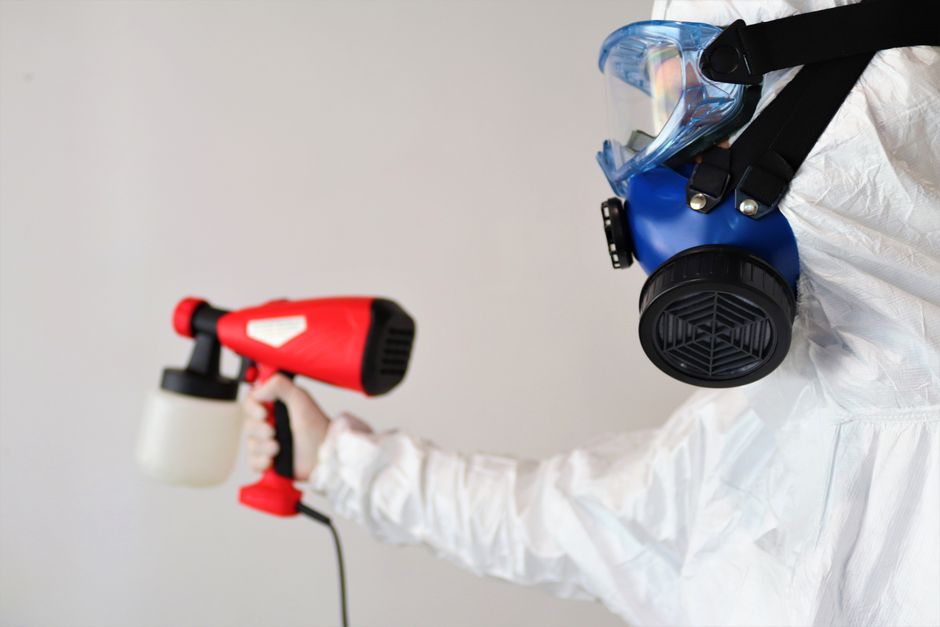
This includes strict adherence to Safety Data Sheets (SDS) for all chemicals used. Our employees are trained in the proper use of Personal Protective Equipment (PPE), such as gloves and goggles, to protect themselves and your facility. This commitment to safety and transparency is part of how professional cleaning impresses clients and vendors who visit your site. It shows that you value high standards in every corner of your business.
Standardizing Quality with Daily and Weekly Checklists
To ensure nothing is missed, we utilize task-by-task checklists for every shift. These lists include daily essentials like trash removal and restroom sanitation, as well as weekly tasks like dusting high-vents and polishing hard floors. By rotating tasks and conducting regular quality audits, we prevent the “cleaning fatigue” that often leads to missed spots in other companies.
This systematic approach allows us to scale our services to fit any facility size, from a small office in Greenwood to a large manufacturing plant in Castleton. You can see the full range of our offerings on our commercial services page. We provide the documentation you need for your own internal audits or compliance requirements.
Fostering a Culture of Cleanliness Through Employee Hygiene Protocols
While we handle the heavy lifting, a truly healthy workplace requires a culture of cleanliness among all employees. We encourage facility managers to provide hygiene stations with hand sanitizer and to post clear signage regarding respiratory etiquette.
Simple habits, like clearing desks at the end of the day, allow our cleaning teams to perform a more thorough disinfection of the work surface. When employees take pride in their space, the entire facility benefits. Our eco-friendly office cleaning options often resonate well with modern teams who want a healthier, greener workspace that aligns with their personal values.
Frequently Asked Questions about Workplace Hygiene
How often should high-traffic commercial areas be professionally disinfected
High-traffic areas should be cleaned daily, but disinfection frequency depends on the usage and the current health climate. During peak flu seasons or outbreaks, high-touch points like door handles and reception counters should be disinfected multiple times per day. It is critical to follow the manufacturer’s instructions for dwell time to ensure pathogens are actually killed.
What are the primary OSHA requirements for workplace housekeeping
OSHA requires that all places of employment be kept clean, orderly, and in a sanitary condition. Key requirements include keeping floors clean and dry (or providing proper drainage), maintaining clear egress routes of at least 28 inches, and ensuring that materials are stored in a way that does not create tripping or fire hazards. Proper waste disposal and pest control are also mandatory components of a safe workplace.
Why is professional floor care essential for long-term facility maintenance
Professional floor care protects your investment. Dirt and grit act like sandpaper on hard floors and carpets, wearing down finishes and fibers prematurely. Services like floor stripping and waxing or professional carpet steam cleaning remove this abrasive material, extending the life of your flooring and maintaining the safety standards required to prevent slips and falls.
Transforming Your Facility into a Safe and Productive Environment with Office Keepers
Maintaining a clean workplace is a complex operational burden, but it doesn’t have to be yours to carry. At Office Keepers, we specialize in taking that weight off your shoulders. Since 1978, we have been the trusted partner for businesses across Indianapolis, Carmel, Fishers, and the surrounding areas. We don’t just “clean” – we manage the hygiene and safety of your environment so you can focus on your core business.
Our use of background-checked, in-house employees ensures that you get a consistent, high-quality result every single time. We don’t use subcontractors because we believe in total accountability. Whether you are managing a high-stakes medical facility that requires strict infection prevention or an industrial plant that needs to stay OSHA-compliant, we have the expertise to build a plan that works for you.
Your facility is a reflection of your brand’s professionalism and your commitment to your team. Let’s work together to make sure that reflection is spotless. We invite you to reach out for a facility-specific evaluation where we can discuss your unique challenges and how our team can solve them.