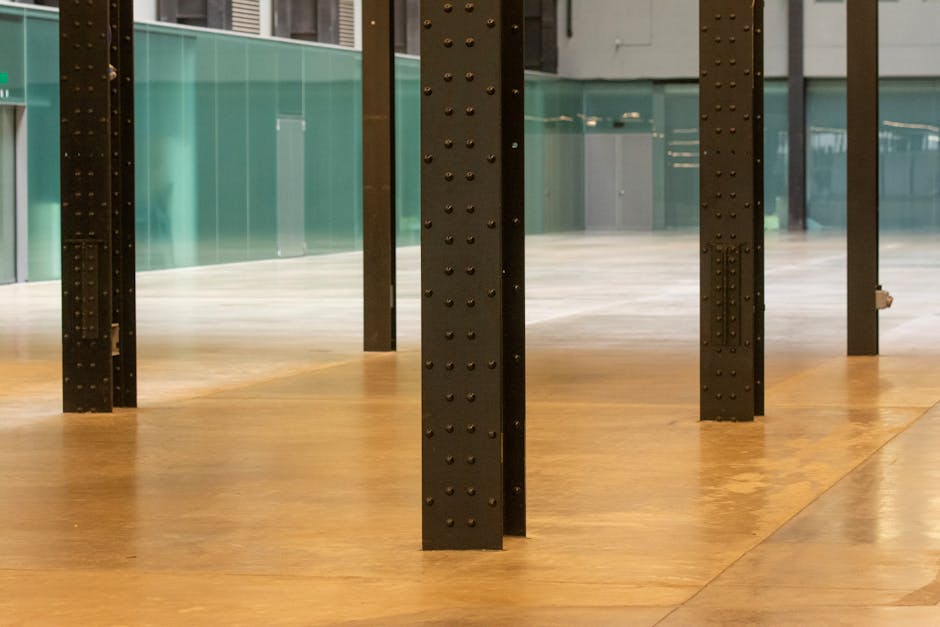
Cut dust, repairs, and downtime with concrete floor polishing industrial
Concrete floor polishing industrial applications help facility leaders reduce dust, improve safety, and lower long-term floor maintenance costs across manufacturing, warehousing, and distribution environments.
Here is a quick overview of what industrial concrete floor polishing delivers:
| Factor | What You Need to Know |
|---|---|
| Process | Multi-step diamond grinding and densification, no topical coatings |
| Surface hardness | Reaches up to 7 on the Mohs scale, nearly double untreated concrete |
| Finish levels | Level 1 (matte/functional) to Level 4 (high-gloss, 70+ gloss units) |
| Cost range | Varies by floor size, condition, and finish level |
| Best for | Warehouses, manufacturing plants, distribution centers, aviation hangars |
| Not suitable for | Floors with active moisture issues (above 3 lb/1,000 sq ft/24 hrs MVER) or compressive strength below 3,000 PSI |
| Key benefit | Durable, dust-free, low-maintenance surface that withstands heavy forklift and foot traffic |
Industrial floors fail when the slab keeps shedding dust, joints break down under traffic, and maintenance teams are forced into constant reactive repairs. That hurts morale, creates safety exposure, and makes the facility look poorly controlled to employees, auditors, and customers. Polished concrete resolves those problems by mechanically refining and chemically densifying the slab itself, not by relying on a coating that can peel or fail under industrial traffic.
This guide is built for facility managers, operations leaders, and plant decision-makers who need a clear view of ROI, risk reduction, and maintenance impact.
I’m Dave Spinks, and for nearly three decades I’ve helped industrial and commercial facilities across Indianapolis build practical floor care programs that support safety, uptime, and appearance, including maintaining surfaces treated through concrete floor polishing industrial processes. That local track record, combined with our family-owned company history serving the market since 1978, gives clients a stable partner that understands how building-specific planning affects day-to-day operations.
Concrete floor polishing industrial glossary:
A manufacturing plant is only as reliable as the floor supporting production, traffic flow, and material handling. When we evaluate an industrial site, we focus on operational outcomes first. Concrete floor polishing industrial services turn a porous slab into a dense, maintainable surface that reduces equipment wear and strengthens the professional image of the facility.
The value is not just visual. A refined slab helps control concrete dust that can settle on inventory, packaging lines, and sensitive equipment. That creates a cleaner, safer workspace and gives operations teams a floor system that supports consistent performance instead of demanding constant corrective work.
Increase slab hardness and service life with mechanical concrete refinement
The main pain point with untreated industrial concrete is premature wear. Soft, porous slabs break down under forklift traffic, impacts, and abrasive debris. That leads to dusting, surface loss, and rising maintenance costs. Concrete floor polishing industrial resolves this by using heavy-duty planetary grinders and industrial diamond tooling to mechanically refine the slab, then applying a densifier that strengthens it from within.
This directly improves safety, cleanliness, and the way a facility is perceived by employees and visitors. A harder floor sheds less dust, supports cleaner operations, and signals disciplined facility management. In high-traffic buildings, that matters as much for morale and brand perception as it does for maintenance budgets.
According to Polished Concrete Standards, the process changes the surface through staged grinding and chemical hardening. During grinding, a densifier reacts with calcium hydroxide in the concrete to form calcium silicate hydrate (CSH), which fills pores and increases density. This is one reason professional planning, specialized equipment, and a trained in-house team matter in active facilities.
Reduce surface failure with higher hardness and stronger impact resistance
A weak slab becomes an operational liability fast. Untreated concrete often rates around 3 or 4 on the Mohs scale, which leaves it vulnerable in plants and distribution centers. Through professional Industrial Floor Cleaning and mechanical polishing, surface hardness can reach 7, which puts it close to granite.
That increase in hardness helps reduce gouging, raveling, and wear from pallets, rolling loads, and daily traffic. In demanding facilities, compressive strength should generally reach at least 3,000 PSI before polishing proceeds. For operations leaders, the result is straightforward. A denser floor lasts longer, holds up better under stress, and reduces the cycle of recurring repairs.
Improve safety, visibility, and dust control across the plant floor
The first problem most facility managers want solved is not appearance. It is dust, inconsistent traction, and poor visibility in active work zones. Those issues affect safety, employee confidence, and the condition of equipment and finished goods. Concrete floor polishing industrial addresses those operational problems by tightening the slab surface and creating a cleaner, brighter floor that is easier to maintain.
Raw concrete can produce ongoing dust through surface breakdown and efflorescence. In manufacturing and logistics settings, that dust can settle on machinery, inventory, and workstations. Polishing closes the surface at a molecular level, helping operations teams maintain a cleaner environment with less airborne residue.
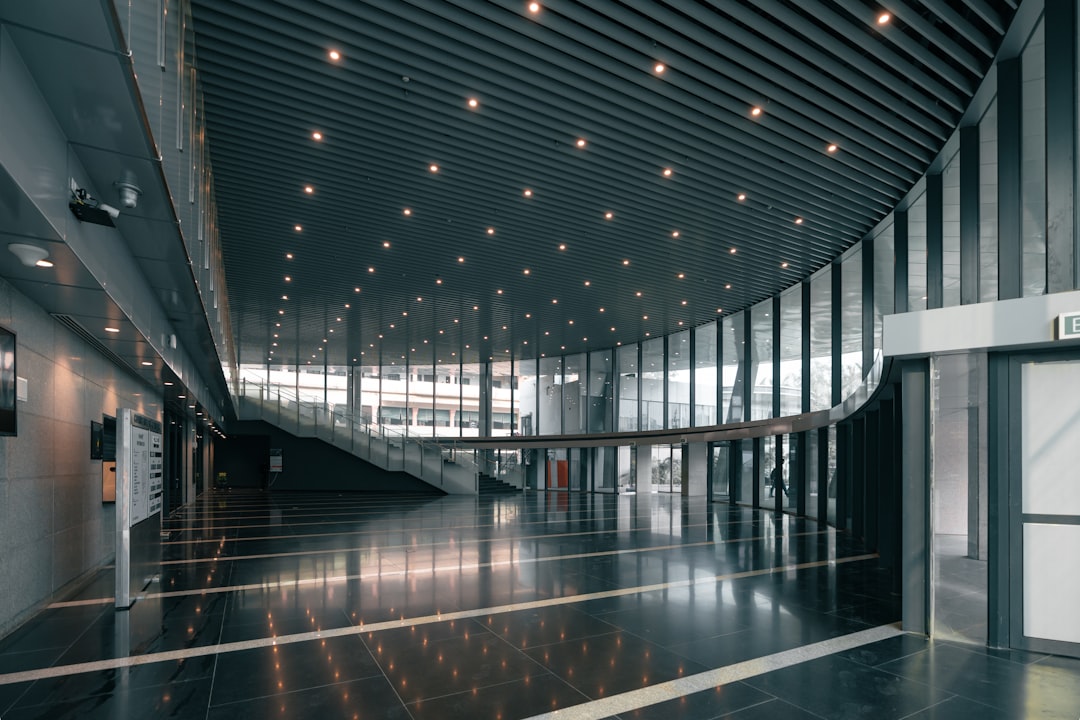
Light reflectivity is another practical gain. A polished floor can increase ambient light by up to 30 percent, which improves visibility and can reduce lighting demand. During installation, professional crews must also follow OSHA Silica Regulations and use proper dust-control systems. That is one reason industrial floor work should be managed through trained personnel and a facility-specific execution plan.
Lower slip risk and strengthen compliance with permanent traffic markings
A glossy floor is often assumed to be more slippery, but that is not how professionally refined industrial concrete performs. Concrete floor polishing industrial can improve traction by removing weak surface material and refining the slab to meet or exceed Dynamic Coefficient of Friction (DCOF) standards. This is a core part of Industrial Facility Maintenance in wet zones, production aisles, and high-traffic corridors.
Compliance also improves when the floor supports clear traffic management. Permanent pedestrian paths and forklift lanes can be integrated into the polished surface with specialized dyes. Unlike painted lines, these markings do not flake off under industrial use. For busy facilities in Fishers or Zionsville, that means stronger visual control, better traffic separation, and a more audit-ready environment.
Reduce project risk with testing, repairs, and a staged grinding plan
The biggest mistake in industrial floor work is treating every slab the same. Hidden moisture, weak concrete, unstable joints, and poor floor flatness can all undermine results if they are not addressed before production starts. A proper concrete floor polishing industrial project begins with a building-specific evaluation that identifies those risks early so the scope matches the actual slab condition.
That upfront planning protects safety, project timelines, and the finished appearance of the facility. It also reduces surprises that frustrate operations teams and create avoidable downtime. In commercial and industrial environments, the work has to be sequenced around traffic patterns, production demands, and compliance requirements.
We start with a detailed surface review that checks cracks, joint stability, and overall slab flatness. Before grinding begins, we conduct ASTM Moisture Testing to verify the slab is dry enough for refinement. If moisture vapor emission rates are too high, mitigation may be required before polishing can move forward.
The refinement process then follows a strict grit progression. We typically begin with 30- or 40-grit metal-bonded diamonds to level the surface and remove contaminants. From there, we move through 80- and 150-grit stages before applying densifiers. Final polishing uses resin-bonded diamonds from 400 to 3000 grit based on the required gloss level. We finish with a penetrating guard that improves stain resistance without leaving behind a film that can peel under industrial traffic.
Lower lifecycle cost and reduce recoating with polished concrete
The main pain point with many traditional floor systems is not installation cost. It is the ongoing shutdowns, recoating cycles, and maintenance labor that follow. For many warehouses and manufacturing environments, concrete floor polishing industrial provides a better long-term return because the slab remains breathable and the finish does not peel like a topical system can.
That matters to operations leaders because floor failure is visible. It affects employee confidence, visitor impressions, and how well the site reflects production discipline. A floor that stays intact and cleans up quickly supports both brand perception and day-to-day uptime.
| Feature | Polished Concrete | Epoxy Coating | VCT (Vinyl Tile) |
|---|---|---|---|
| Initial Cost | Moderate | Moderate to High | Low to Moderate |
| Lifecycle Cost | Lowest (20+ years) | Moderate (5-7 year refresh) | High (Constant maintenance) |
| Durability | High (Impact resistant) | High (Chemical resistant) | Low (Scratches easily) |
| Maintenance | Minimal (Auto-scrub) | Moderate (Needs recoating) | High (Stripping/Waxing) |
| Downtime | Low (Immediate use) | High (Cure time required) | Moderate |
| Aesthetics | Modern/Industrial | Highly Customizable | Standard/Institutional |
For facilities currently managing Vinyl Tile Maintenance, polished concrete often removes a major maintenance burden. There is no stripping and waxing cycle to keep repeating, and the slab can breathe rather than trapping moisture below a coating. In older Greenwood or Castleton facilities, that can help prevent bubbling, delamination, and repeated finish failure.
Frequently Asked Questions about Industrial Floor Refinement
What is the typical cost per square foot for industrial polishing
The cost of concrete floor polishing industrial is influenced by several factors, including the total square footage, the current condition of the slab, and the desired finish level. A large, open warehouse in Westfield will generally have a lower cost per square foot than a small, complex manufacturing room with many machine “islands” to work around. While the initial investment is comparable to high-quality epoxy, the long-term ROI is significantly higher because you aren’t paying for a full floor replacement every five years.
Can existing damaged warehouse floors be polished
Yes, most existing floors can be polished, provided they meet a minimum compressive strength of 2,500 to 3,000 PSI. The process includes a repair phase where we fill cracks with high-strength epoxy or polyurea fillers and stabilize moving joints. While deep stains or extensive “spalling” might require a more aggressive initial grind, the restoration potential of old concrete is remarkable. We can often take a deteriorated, 40-year-old floor and restore it to high-performance industrial standards.
How does polished concrete impact forklift operations
Polished concrete is a forklift’s best friend. The extreme flatness achieved during the grinding process reduces the vibration felt by operators, which protects their health and extends the life of the equipment’s suspension and electronics. Furthermore, the smooth surface reduces tire wear and “tire marking.” Because the floor is dust-free, forklift tires maintain better traction, and there is no abrasive concrete dust to gum up the internal components of your fleet.
Transfer floor maintenance burden to a local in-house team with a facility-specific plan
A polished floor only protects operations when the maintenance plan matches the building. Without the right cleaning methods, traffic patterns, and staffing consistency, gloss drops, soils build up, and the floor starts working against safety and appearance goals. That affects employee morale, daily cleanliness standards, and the way your facility is judged by customers, auditors, and leadership.
At Office Keepers, we help commercial and industrial clients avoid that drift with a maintenance program built around the actual demands of the site. Since 1978, our family-owned company has served the Indianapolis market with in-house teams, not subcontractors. That stability matters. It gives facility leaders consistent execution, accountable staffing, and people who understand the building over time.
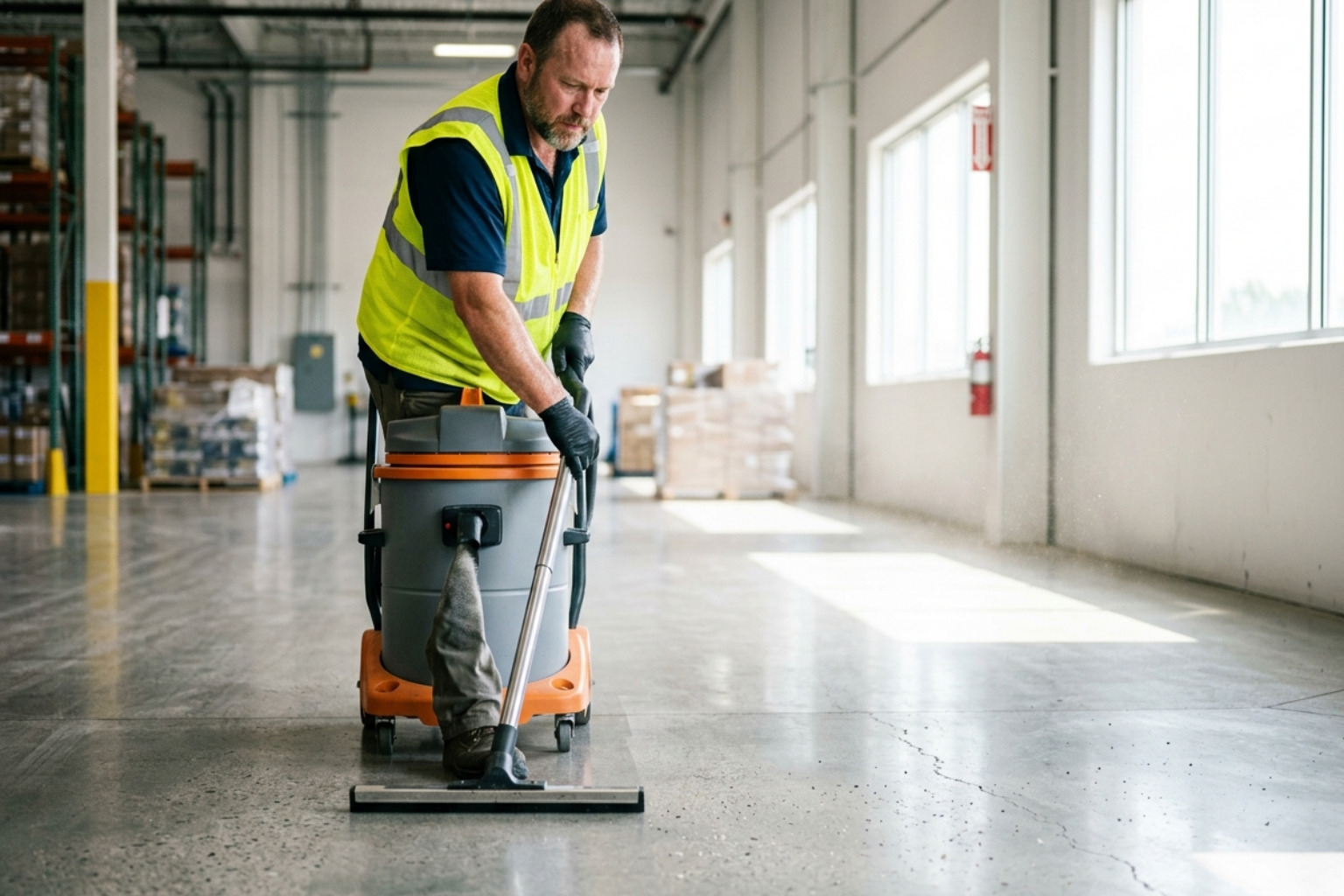
A polished floor is low maintenance, but it still requires the right equipment, chemical selection, and service schedule. We build plans around daily auto-scrubbing with pH-neutral cleaners and periodic restorative care to preserve clarity and performance. For facilities in Noblesville, Fishers, and surrounding areas, that means fewer surprises and better long-term value from the original floor investment.
If you are ready to transfer this operational burden to a reliable local partner, we invite you to Request a Facility Evaluation. We will review your slab condition, traffic demands, and maintenance challenges, then map out a facility-specific strategy that supports safety, appearance, and uptime.