3 air quality gains facility managers get from blinds and vents dusting
Blinds and vents dusting is one of the most overlooked maintenance tasks in commercial facilities and one of the most consequential for air quality, regulatory compliance, and professional appearance.
Here is what facility managers need to know at a glance.
| Task | Recommended Frequency | Priority Level |
|---|---|---|
| Routine blind dusting | Weekly | High |
| Full blind wipe-down | Every 1-2 months | High |
| Deep blind cleaning | 2-3 times per year | Critical |
| Vent and register cleaning | Monthly to quarterly | Critical |
| Kitchen or high-traffic areas | Bi-weekly minimum | Urgent |
Dust does not just look bad. It circulates through HVAC systems, settles on surfaces, and contributes to allergen buildup that affects employee health and can trigger compliance concerns in regulated environments like medical offices, labs, and food service facilities.
The problem is that blinds and vents are awkward to clean properly at commercial scale. Slats collect dust on both sides. Registers trap particulate matter deep inside duct openings. Without the right equipment, trained in-house staff, and a building-specific schedule, routine cleaning often just moves dust around rather than removing it.
My name is Dave Spinks, and over nearly three decades running Office Keepers in Indianapolis, I have built facility-specific cleaning plans that treat blinds and vents dusting as a critical component of indoor air quality management, not an afterthought. As a family-owned company serving the local commercial market since 1978, we rely on an in-house, background-checked team to deliver stable results for facility managers who cannot afford inconsistency. In the sections below, I will walk through the professional-grade methods and schedules that keep commercial facilities clean, compliant, and operating at their best.
Realted Blinds and vents dusting reading:
Visible dust on blinds and supply registers affects brand perception fast, but the bigger issue is what it does to indoor air and operational confidence. In medical centers, offices, hotels, and industrial sites, settled particulate matter becomes airborne again every time HVAC cycles on. That creates a morale problem for staff, a presentation problem for visitors, and a risk management problem for facility leaders responsible for cleanliness standards. Our in-house team solves that with building-specific cleaning plans and disciplined Sanitizing Surfaces protocols.
Neglecting blinds and vents dusting allows particles to recirculate through occupied space and collect in the exact places stakeholders notice during inspections and walkthroughs. For a law firm, that can weaken a premium image. For a clinical setting in Carmel or a production environment in Noblesville, it can raise questions about oversight and environmental control. With nearly thirty years of founder-led experience in the Indianapolis market, we make sure these hidden dust zones receive the same level of control as high-visibility surfaces.
By resolving dust accumulation at the source, we help facility managers maintain cleaner air, stronger presentation standards, and better operational consistency. Whether the need is cross-contamination control in a Fishers laboratory or a more polished customer-facing space in Greenwood, the answer is not occasional attention. It is a repeatable plan executed by a stable in-house team that knows the building and knows where particulate buildup starts.
How professional blinds and vents dusting cuts respiratory complaints and improves HVAC output

Poor air quality shows up in absenteeism, comfort complaints, and a facility that never looks fully clean. The core problem is simple. Dust on blind slats and vent louvers becomes a standing source of airborne particles. The resolution is also clear for commercial operators. Use trained in-house crews, HEPA filtration, and a building-specific service plan that removes debris instead of redistributing it. That is why professional blinds and vents dusting is a first-line air quality control measure in managed facilities.
In large offices, industrial sites, and institutional buildings, even small amounts of buildup can reduce air movement quality and make occupied spaces feel neglected. Our family-owned company has served the Indianapolis market since 1978, and our founder has spent nearly thirty years refining cleaning plans for facilities that cannot tolerate inconsistency. We align our methods with OSHA-aware sanitation practices and integrate this work into broader Janitorial programs that support facility performance.
HEPA capture removes particulate at the source instead of recirculating it
A common failure point in commercial cleaning is using equipment that pushes fine dust back into circulation. Our in-house team uses HEPA-filtered vacuum systems with specialized brush attachments that fit blind slats and vent registers, so particulate is captured at the source. In a commercial setting, the real advantage is controlled dust removal at scale during scheduled Janitorial service.
Consistent dust control reduces occupant health complaints in high-density buildings
Dust buildup is a known trigger for allergy and asthma symptoms, and in busy buildings that translates into more complaints, more distractions, and more pressure on operations teams. By putting blinds and vents dusting on a defined service cycle, we reduce airborne allergen load and support healthier occupied space conditions. Our Services are structured for commercial facilities in places like Zionsville and Westfield where reliable air movement and consistent cleaning matter every day.
How material-specific blind maintenance protects assets and eliminates rework
The pain point for facility managers is not just dust. It is damage, downtime, and inconsistent results when blinds are cleaned without regard for material type or system design. The resolution is a controlled maintenance process handled by an in-house team using the right attachments, workflow, and building-specific scope. That is how professional blinds and vents dusting protects both indoor air quality and the service life of commercial window treatments.
Large offices, schools, and institutional buildings often have a mix of horizontal, vertical, vinyl, metal, and fabric systems. Cleaning them with a generic process can bend slats, strain hardware, and leave particulate behind. With nearly thirty years of founder-led experience in Indianapolis, we build service routines that fit the facility layout, occupancy pattern, and finish requirements. Commercial maintenance requires specialized equipment, safe workflows, and a stable in-house crew to ensure consistent results across large-scale facilities.
Systematic horizontal blind care improves appearance and reduces repeat labor
Horizontal blinds hold dust on both sides of each slat, which is why rushed cleaning leaves visible residue behind. Our team uses a systematic section-by-section process with HEPA vacuuming and microfiber detailing to remove dry particulate and any adhered film. This method supports stronger visual presentation and reduces the need for repeated touchups, which is why it is built into our Office Cleaning scope for high-visibility commercial spaces.
Controlled vertical system maintenance protects fabric and extends hardware life
Vertical blinds fail early when vanes are pulled, tangled, or overhandled during routine service. We prevent that by using soft-bristle vacuum tools, controlled handling methods, and escalation to specialized treatment when fabric systems are heavily soiled. That protects the vane material, the track system, and the appearance standard expected in managed facilities. It is part of our commercial Janitorial approach for facilities that need consistent care without disruption.
How material-specific dusting protocols reduce replacement costs in regulated facilities
Different materials fail in different ways, and that matters in regulated and high-visibility facilities. The pain point is straightforward. The wrong cleaning chemistry or moisture level can warp wood, scratch metal, weaken fabric, or create sanitation gaps. The resolution is a material-specific protocol delivered by an in-house team that understands the fixture, the environment, and the compliance expectations tied to the space.
| Material | Cleaning Protocol | Primary Concern | Chemical Compatibility |
|---|---|---|---|
| Natural Wood | Dry vacuuming + specialized polish | Warping/Moisture damage | Oil-based or pH-neutral |
| Faux Wood/PVC | Damp microfiber + mild detergent | Static buildup | All-purpose cleaners |
| Aluminum/Metal | HEPA vacuum + degreaser | Corrosion/Scratches | Non-corrosive solvents |
| Fabric/Textile | Soft brush vacuum + spot cleaning | Fraying/Staining | Fabric-safe detergents |
Wood and faux wood care that preserves finish quality in executive spaces
Wood blinds can quickly lose value when they are exposed to excess moisture or the wrong residue-producing products. Our in-house team uses dry removal methods, controlled microfiber detailing, and finish-safe products that preserve appearance without attracting more dust. These Services help facility managers protect architectural finishes in executive offices, conference suites, and premium client-facing areas.
Metal and polymer surface sanitation that supports infection control goals
In medical and laboratory environments, dust is only part of the issue. Surfaces also need sanitation that does not corrode or degrade the material. Our team is trained to use non-corrosive, medical-appropriate disinfectants and controlled cleaning methods that remove both particulate and biological contamination. These Sanitizing Surfaces protocols support facilities that must maintain strict health and safety standards.
How cleaner vents improve airflow efficiency and cut avoidable HVAC strain
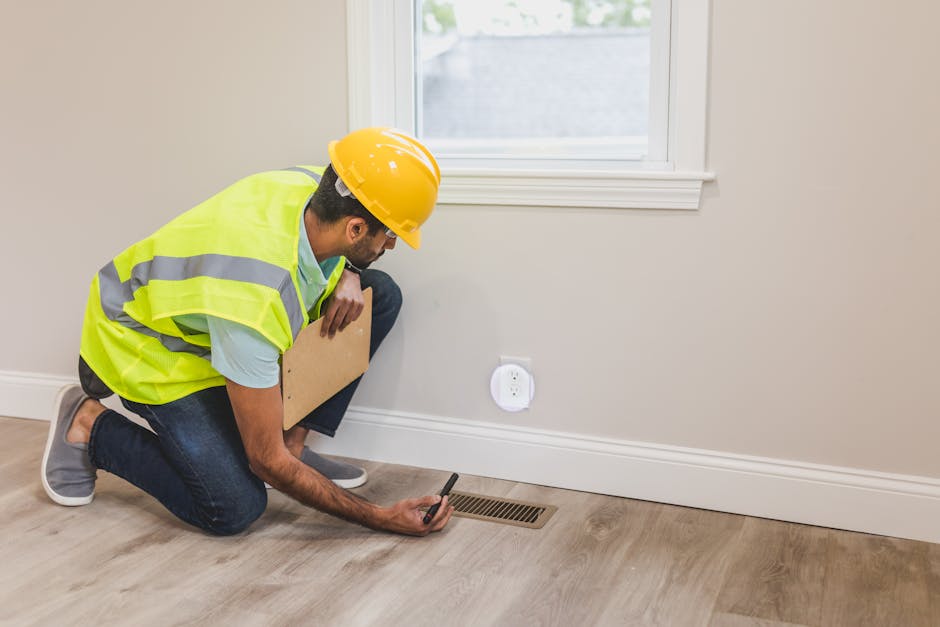
Dust-loaded vents do more than look neglected. They restrict airflow, spread particulate into occupied spaces, and force HVAC equipment to work harder than it should. For facility managers, that means higher operating costs, more visible dust complaints, and a system that appears under-maintained. The resolution is systematic vent and register maintenance performed by an in-house team using building-specific schedules and commercial-grade extraction tools.
A clean register supports better airflow and reduces the black streaking that often appears on ceilings around vents. Those marks are a sign that dust is being discharged and redeposited around the opening. Our family-owned company has served Indianapolis-area commercial facilities since 1978, and our founder has spent nearly thirty years building service plans that treat vent maintenance as a performance issue, not just a cosmetic task. That gives facility leaders a direct return in cleaner presentation and lower deferred maintenance pressure.
High-reach vent cleaning that improves coverage without disrupting operations
Vents in atriums, warehouses, and high-ceiling commercial spaces are easy to miss and hard to clean safely. We solve that with telescoping equipment, high-suction vacuums, and defined safety procedures that let our in-house team reach difficult registers efficiently. This is a core part of our Janitorial scope for facilities that need complete coverage without adding risk to the work environment.
Degreasing vent systems that reduce fire risk in food and industrial spaces
In commercial kitchens and industrial settings, airborne dust often binds with grease and oil. That creates stubborn buildup that affects airflow, appearance, and in some cases fire risk and compliance exposure. We address that with industrial-strength degreasing chemistry and controlled removal methods designed for demanding environments. Our Services support food safety expectations and industrial hygiene requirements where standard dusting is not enough.
How facility-specific schedules prevent dust buildup before it affects inspections and staff comfort
The biggest scheduling mistake in facility maintenance is waiting until dust is obvious. By that point, air quality has already slipped, surfaces look neglected, and staff or visitors have started to notice. The resolution is a building-specific maintenance schedule based on occupancy, airflow, and operational demands. That is how blinds and vents dusting shifts from reactive cleanup to controlled prevention.
This matters for more than appearance. Clean blinds and dust-free vents support stronger walkthrough results, fewer occupant complaints, and a more disciplined brand image for clients, patients, and visitors. With a stable in-house team and nearly thirty years of founder-led local experience, we give Indianapolis-area facility managers a repeatable system instead of one-off service. That consistency is what keeps standards high across single sites and multi-location operations.
Traffic-based service intervals that keep cleaning aligned with building demand
A high-traffic physician’s office in Fishers will accumulate particulate much faster than a low-occupancy administrative suite in Zionsville. We assess occupancy, activity level, and HVAC load to set the right frequency for your Office Cleaning plan. For many commercial facilities, that means weekly blind vacuuming and quarterly vent deep cleaning, adjusted upward for healthcare, food service, and other high-demand environments.
Condition reviews that help facility managers budget for replacement at the right time
Some fixtures reach a point where maintenance no longer delivers a good return. Broken tilt mechanisms, warped slats, damaged cords, and corroded vent covers can all limit performance even after cleaning. Our in-house Janitorial teams flag these issues during routine service so facility leaders can plan replacements based on condition data rather than surprise failures.
3 professional dusting decisions that reduce risk and protect facility standards
Weekly professional dusting keeps commercial air quality and presentation under control
High-traffic facilities such as medical centers, office hubs, and retail environments usually need weekly attention on blinds and vents to prevent visible buildup and airborne particulate recirculation. A deeper service cycle for slats, registers, and vent interiors should typically be scheduled quarterly. That structure gives facility managers a practical balance between presentation, indoor air quality, and labor efficiency.
Specialized high-reach equipment improves vent coverage and worksite safety
Commercial vent maintenance requires HEPA-filtered vacuums, telescoping extension tools, and articulated brushes that can reach elevated registers and duct openings without spreading dust back into occupied space. In busy facilities, that equipment also reduces ladder dependence in traffic areas and helps service teams maintain safer workflows. This is one reason professional vent care belongs in a managed facility maintenance plan rather than an occasional add-on.
Replacement is the right move when components no longer support airflow or function
Cleaning has limits when the fixture itself is failing. Blinds with warped slats, damaged internal cords, or failed operating hardware often continue to underperform after service. The same is true for vent covers with corrosion, broken louvers, or structural damage that restricts airflow. In those cases, replacement is usually the better operational decision because it restores function and avoids repeated maintenance on compromised components.
Transfer your dust control burden to a local in-house team that protects your facility standards
Maintaining air quality, presentation, and sanitation standards across a commercial facility takes more than periodic attention. It requires a partner with stable staff, building-specific planning, and the discipline to handle details that affect inspections, occupant comfort, and brand perception. Since 1978, Office Keepers has supported the Indianapolis business community as a family-owned company, and our founder’s nearly thirty years of leadership have shaped a service model built for demanding commercial, industrial, and institutional environments.
We do not use subcontractors. We rely on a dedicated in-house, background-checked team that understands how to execute blinds and vents dusting as part of a broader facility maintenance strategy. Whether you manage a medical center in Carmel, an industrial operation in Noblesville, or a hospitality property in Castleton, we can evaluate the particulate risks, service intervals, and sanitation demands specific to your building.
The next step is simple. Transfer that operational burden to a local partner who knows the market, knows the stakes, and knows how to build a practical plan. Contact us to schedule a collaborative strategy session and facility-specific evaluation so we can create a maintenance program that protects your people, your HVAC performance, and your professional standards. From Castleton to Greenwood, we are your local partner in professional Janitorial excellence.